
Why GNU/Linux Loses Despite Being Better Than Windows
Quick Summary
GNU/Linux is faster, more secure, free, and runs well on older hardware. Yet Windows dominates because it comes pre-installed on most computers, users are already familiar with it, and major professional software ecosystems favor it. In the end, Linux loses due to human behavior: most people choose convenience over switching operating systems.
Main Article
As a passionate GNU/Linux user myself, I firmly believe that GNU/Linux as an operating system for personal computers is way better than MS Windows in almost every meaningful way. So I naturally promote it through writing blogs, creating videos and other forms of content.
However, after years of advocating for it, I have accepted an uncomfortable truth: No matter how much we, the GNU/Linux Community, try, people are still going to keep using Windows.
Not because Windows is better. But because being better does not actually matter when you are competing against human behaviour.
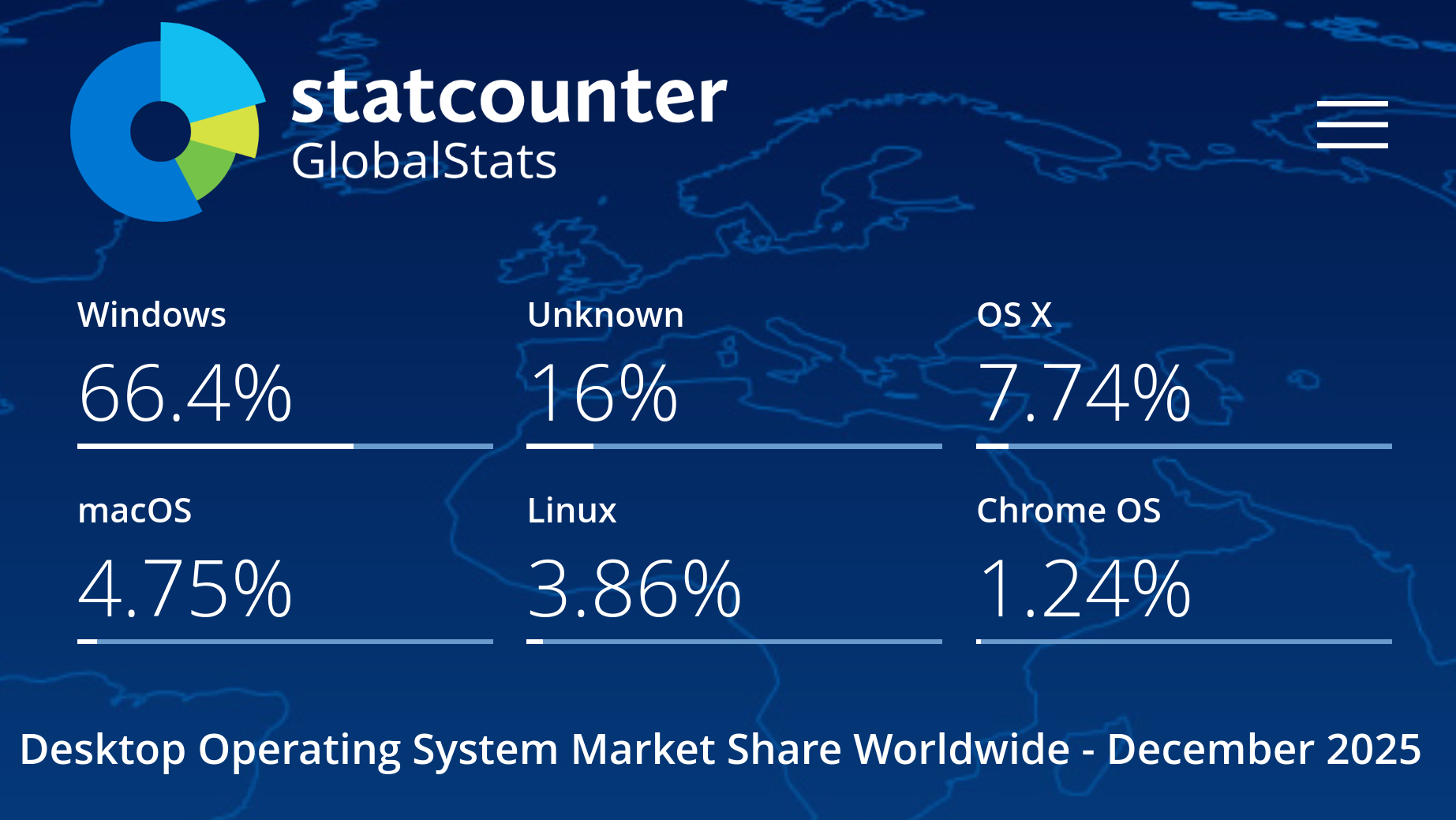
Let me explain why Windows will continue to dominate the desktop operating system market share even throughout and after 2026.
GNU/Linux Is Better (Let’s Establish That First)
Before we dive into why Windows keeps winning, let me be clear about something: Objectively, GNU/Linux is a better operating system in almost every technical aspect. GNU/Linux is Free and open source, it is more secure and private, it is fully customisable, it feels much faster and lighter on resources, and it can run smoothly even on 15-year-old hardware. Besides that, modern GNU/Linux distributions like Linux Mint and Zorin OS are just as easy to use as Windows 10 or 11. The “Linux is hard” stereotype had already died around 2015, but nobody noticed because they never tried it.
So if GNU/Linux is so much superior, why does Windows keep winning? The Simple answer is -
Technical superiority has never been enough. Human behaviour decides who wins.
1. Windows Comes Pre-Installed (The Game Is Rigged From The Start)
Let’s start with the elephant in the room, Windows comes pre-installed on 95% of computers sold Worldwide.
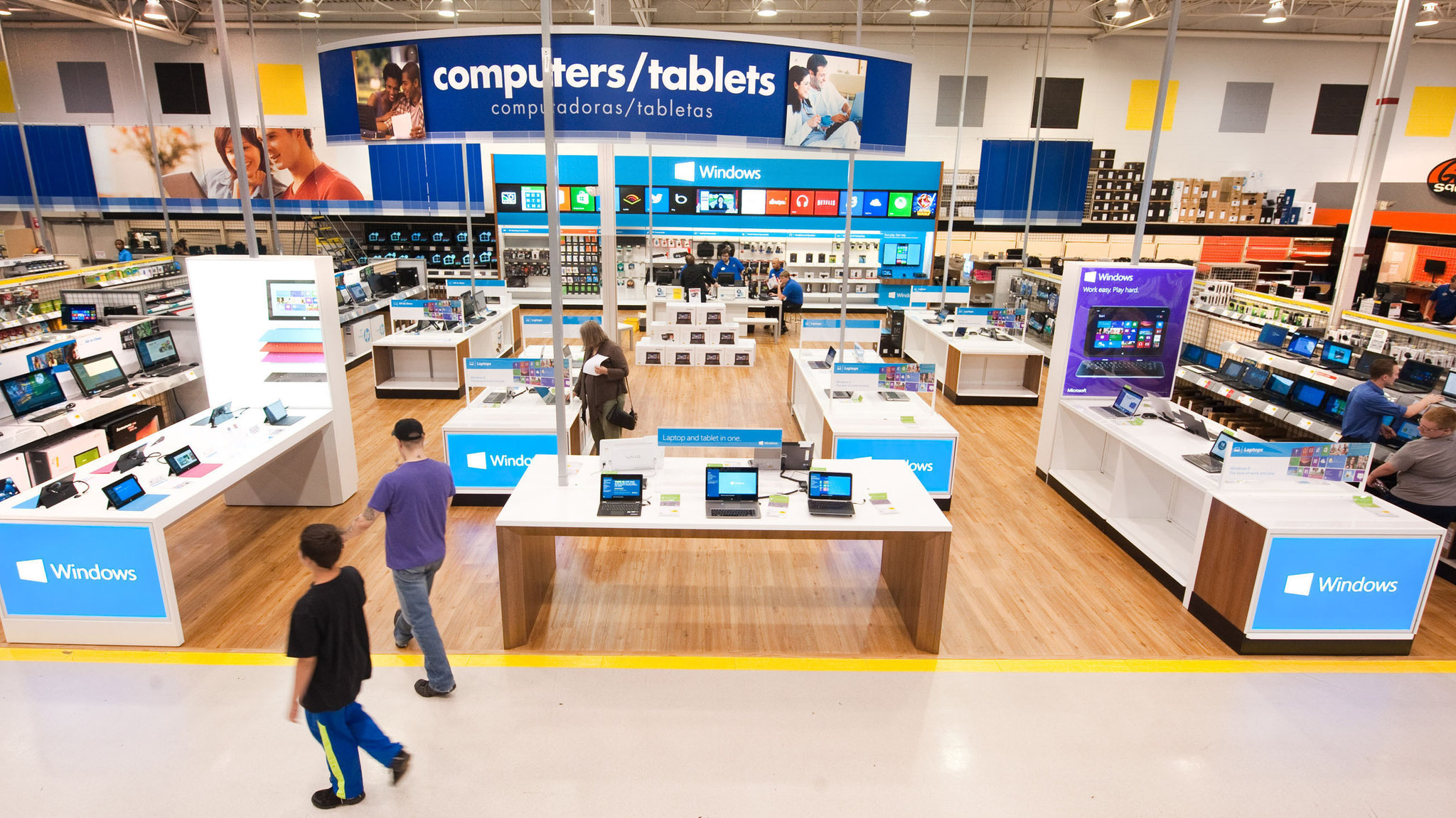
When someone walks into a store and buys a laptop, it has Windows on it. Meaning the user did not choose Windows; it’s already there, chosen for them. And for the average person, “what’s already there” is good enough.
And then switching to GNU/Linux means:
- Backing up all your data
- Creating a bootable USB drive
- Installing a new OS
- Reconfiguring settings
- Reinstalling software
Even though this may just take 1 to 2 hours, it is still 1 to 2 hours of effort, which most computer users will never invest. And this is Human Nature. People won’t pursue excellence if it requires even minimal work. They will tolerate mediocrity if they can settle it with zero effort.
2. Familiarity Beats Quality Every Single Time
Windows, as an Operating System, has a history of being very easy to use out of the box. Windows XP, Windows 7, and Windows 10, in particular, have cemented that legacy.

But more importantly, everyone has used Windows. Even if someone does not own a Personal Computer, there is a high probability that they have used Windows-based computers in their schools, universities, or workplaces. So when the time comes to choose an Operating System for themselves, Windows becomes the obvious choice, not because it’s better, but because it is familiar.
3. Proprietary Hardware and Software Lock-In (The Real Trap)
We do not think about this much, but in general, we as computer users use our apps and programs way more than we ever use our operating system. And when it comes to app and software support, Microsoft Windows is still the king.
Additionally, not everyone uses their PC to just watch movies. Computers are workstations. People use them to run businesses, for creative work, video meetings, and so on. And as Windows was a business-centric Operating System right from the start, it got the upper hand.
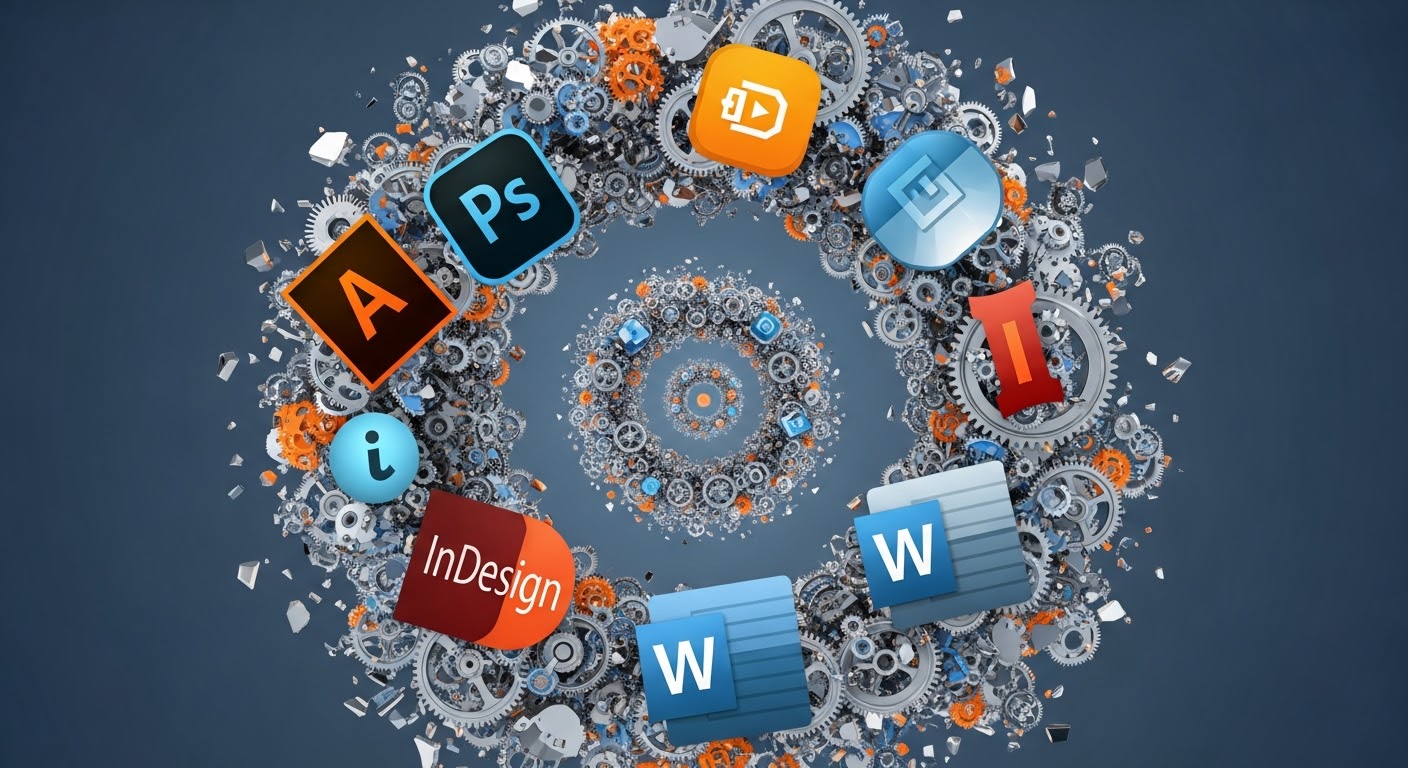
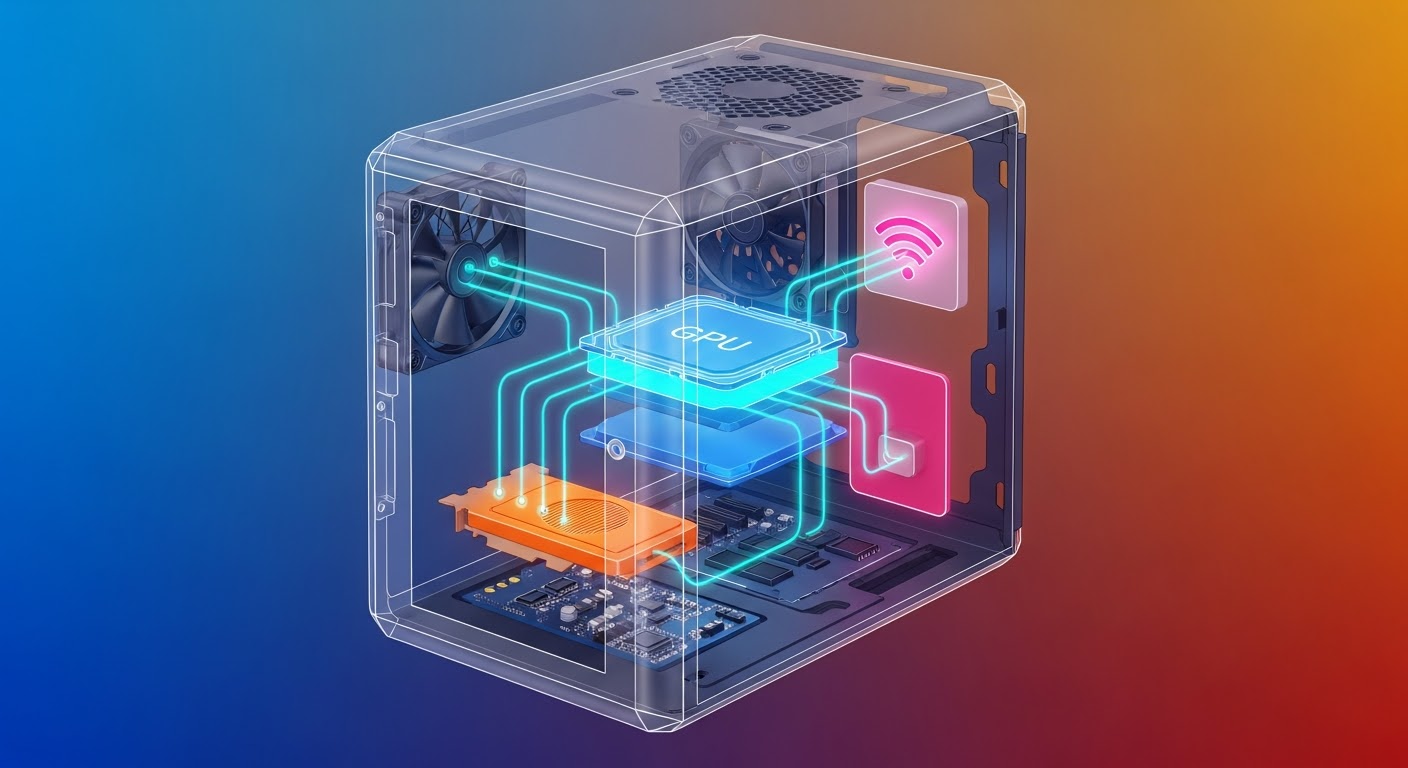
Professional Software like Adobe Creative Suite, Microsoft Office and AutoCAD keep users locked onto Windows. Yes, alternatives like LibreOffice, GIMP and Kdenlive exist. But the reality is: If your job depends on Adobe Premiere Pro, you are not going to switch to Kdenlive just because it is “good enough.” Your workflow, your clients, and your entire professional life are tied to one ecosystem.
The same thing is true for hardware. Computer hardware manufacturers always target the Windows user base first; everything comes later. And even today, many proprietary hardware components lack driver support for GNU/Linux.
So for a user, Windows becomes the only choice, not the best choice, but the only safe choice that guarantees their work gets done.
4. Gaming (Where Perception Lags Behind Reality)


A majority of users use their computers mainly for Gaming. And the gaming industry, too, is very much Windows-focused. Nowadays, after the advent of competitive esports and video game streaming services, the gaming industry has become a billion-dollar industry. Many users aspire to make it big there, and with Windows, they get an assurance that their favourite games and hardware like Graphic Cards, Capture Cards, and Cameras will work right out of the box.
But things have started to change. Now, handheld devices like Steam Deck run GNU/Linux as their default Operating system, and they play thousands of Windows games. Wine and Proton compatibility layer works for more then 80% of Steam’s library. Native GNU/Linux games are also growing in numbers.
But what hasn’t changed is the Perception. Most Gamers still think “GNU/Linux can’t game”. Many Competitive multiplayer anti-cheat systems still do not support Linux.
5. The DIY Philosophy Doesn’t Match What People Want
Do It Yourself is one of the core philosophies of GNU/Linux systems, and most of the time, it does not go well with Windows Users.
Even before someone starts using GNU/Linux, they have to do some prerequisites like backup creation, hardware compatibility checks, tackling the file system differences, etc. But for users who rarely open their Windows Control Panel, it is way too much work. It’s not that Windows users cannot do these things. They just don’t want to do it.
And in today’s modern society, where convenience is the key, people pay extra for pre-assembled furniture, meal kits, and one-click shopping. Why would they bother about computers?
GNU/Linux asks users to invest time upfront to gain freedom and control later. Windows says, ‘just use it, don’t think about it.’ For most people, that trade-off isn’t even close.
6. The Curse of Too Many Choices
Having hundreds of GNU/Linux distros could be an adventure for experienced GNU/Linux users, but for a Windows user who is thinking of making a switch to GNU/Linux, it is a massive puzzle.

Apart from the Distros, there are different Desktop environments, Window Managers, Display Managers, Package Managers, and ways to install a Linux Distribution. These create confusion. For them, having too many options becomes a curse, which eventually keeps them locked to Windows.
The Meta-Reason: Institutional Network Effects
Beyond all the individual reasons, there is one meta-factor that perpetuates Windows dominance:
Everyone else uses Windows, so you have to use Windows as well.
# Businesses Use Windows Because:
- IT departments are trained on Windows
- Enterprise software targets Windows
- Switching costs are enormous
# Individuals Use Windows Because:
- Their workplace uses Windows
- Their family and friends use Windows
- Tech support knows Windows
- Online tutorials assume you are using Windows
This creates a self-reinforcing cycle. Windows dominance perpetuates Windows dominance. Even if GNU/Linux became 10 times better tomorrow, the network effects would still favour Windows.
Why This Won’t Change Or Anytime Soon
We, the GNU/Linux advocates, don’t like to hear this, but the truth is these problems aren’t going away.
# Why and What Would Need to Change for GNU/Linux to Win:
1. GNU/Linux would need to come pre-installed on mainstream PCs, which is very unlikely because manufacturers have Microsoft contracts.
2. Adobe, Autodesk, and Microsoft would need to port their software to GNU/Linux, which won’t happen because there is no financial incentive.
3. The entire professional ecosystem would need to shift, which again won’t happen because corporate structures are very reluctant to make any switch.
Excellence Doesn’t Matter If Nobody Tries It
So why will people keep using Windows despite GNU/Linux being a better alternative?
Because convenience beats quality every time. Because familiarity beats innovation. Because what’s pre-installed beats what’s better. And because “everyone else uses it” beats everything else.
And that’s not changing in 2026. Or probably even 2030.
As much as I wish more people would try GNU/Linux, I’ve accepted this reality: Most people will never overcome their resistance to change. They’ll keep using Windows, not because it’s better, but because switching requires them to care and invest time, which most people simply don’t and won’t.
The tragedy isn’t that GNU/Linux is not winning. The tragedy is that most Windows users will never even know what they are missing.
But that’s human nature. And human nature doesn’t change just because the technology does.
Frequently Asked Questions
Q: Is Linux really better than Windows?
A: Objectively, yes. GNU/Linux is typically more secure, lightweight, customizable, and privacy-friendly. It can also run efficiently on older hardware.
Q: Why does Windows dominate the desktop market?
A: Windows dominates mainly because it comes pre-installed on most computers, has massive software support, and benefits from decades of familiarity among users, businesses, and IT professionals.
Q: If Linux is better, why does Windows still dominate?
A: Because Windows comes pre-installed on 95% of computers sold. People use what is already there. Switching to Linux requires effort (backing up data, creating bootable USB, reinstalling), and most users won’t invest even 2 hours to make the switch.
Q: Why don’t more people switch to Linux?
A: Most users avoid switching because it requires effort, learning something new, and potentially losing compatibility with familiar software and games.
Q: Is Linux difficult to use today?
A: Not really. Modern distributions like Linux Mint and Zorin OS are designed to be beginner-friendly and are often just as easy to use as Windows.
Q: Can I run Adobe Creative Suite or Microsoft Office on Linux?
A: Not natively. Adobe and Microsoft don’t port their software to Linux because there’s no financial incentive. Alternatives exist (LibreOffice, GIMP, Kdenlive), but if your job requires Adobe Premiere Pro or AutoCAD, Windows remains the safer choice.
Q: Is gaming still a problem for Linux?
A: No. Gaming support on Linux has improved significantly thanks to Wine/Proton Compatibility Layer and the Steam Deck. Native Linux games are also growing. However, some competitive multiplayer games with anti-cheat systems still don’t support Linux.
Q: Why don’t hardware manufacturers support Linux?
A: Manufacturers prioritise the largest market (Windows users). While Linux hardware support has improved dramatically, some proprietary components still lack drivers. The pre-installation advantage means manufacturers have no incentive to change.
Q: Will Linux ever overtake Windows on desktop PCs?
A: Unlikely in the near future. Linux would need to: (1) come pre-installed on mainstream PCs (blocked by Microsoft contracts), (2) get Adobe/Autodesk/Microsoft software ports (no financial incentive), and (3) overcome network effects where “everyone uses Windows.” These aren’t changing anytime soon.
Q: Is the “too many distros” problem real?
A: For beginners, yes. Hundreds of distros, desktop environments, and package managers create choice paralysis. However, sticking to mainstream options (Linux Mint, Zorin OS, Ubuntu) eliminates this problem. The confusion comes from thinking you need to understand every option.
Q: Are there any signs Linux desktop adoption is growing?
A: Gaming on Linux has improved (Steam Deck, Proton), cloud-based workflows reduce OS dependence, and hardware support has gotten better. However, the fundamental barriers (pre-installation, professional software, institutional inertia) remain unchanged.
Q: Should I switch to Linux?
A: Depends on your needs. Switch if you: value privacy/freedom, want to revive old hardware, use web apps/open source software primarily, or enjoy learning. Stick with Windows if you: rely on Adobe/Office/AutoCAD, play competitive multiplayer games with anti-cheat, work in Windows-dependent industries, or prioritize zero-effort convenience.
📑 If you enjoyed this article, you may also like our guide on:
🎬 Prefer watching? Here’s the detailed video:
💬 Engage With The Community:
🔀 Share this Article: